
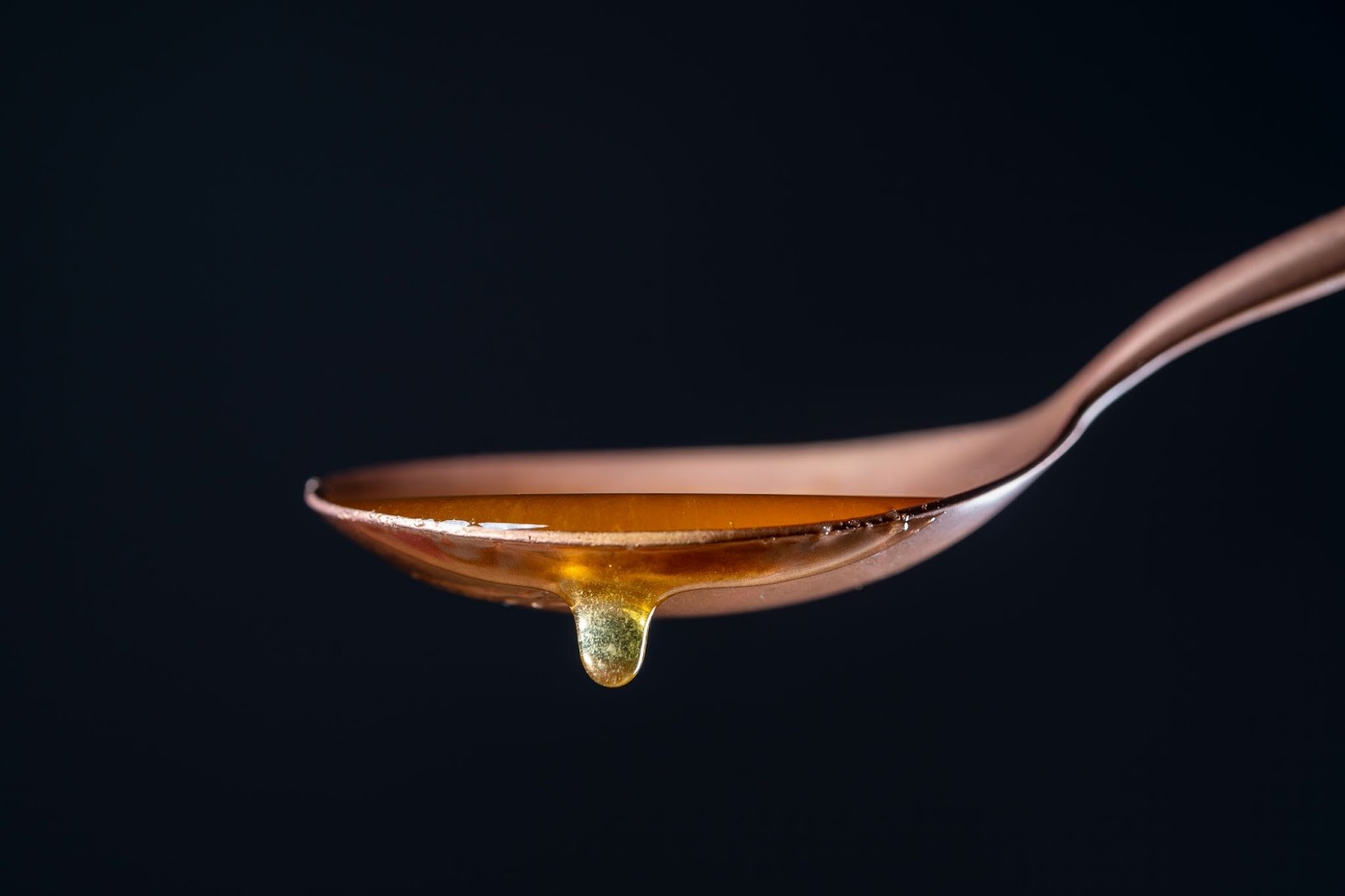
Everything You Need to Know About What Mad Honey Is
Key Takeaways
- Mad honey contains natural compounds that can affect the body in unusual ways.
- Understanding what mad honey is helps reduce risks and misconceptions.
- Small differences in quantity can lead to different effects.
- Awareness and moderation are key to safe and informed use.
Introduction
Curiosity around unusual natural substances has grown steadily, and mad honey stands out for its distinctive effects and long-standing cultural history. Often associated with remote mountainous regions, this type of honey is valued for its rarity and its physiological impact. Understanding what mad honey is involves recognising how it is produced, why it behaves differently from regular honey, and how small adjustments in consumption can lead to significantly different outcomes. While some are drawn to its reported benefits, others approach it with caution due to its potential risks.
Where Does Mad Honey Come From?
What is mad honey, and how is it made? Mad honey is produced by bees that collect nectar from certain species of rhododendron plants. These plants contain natural compounds known as grayanotoxins, which are responsible for the honey’s unique effects. This type of honey is most commonly found in regions such as Nepal and parts of Turkey, where these plants grow in abundance.
Traditional harvesting methods involve climbing cliffs to reach wild hives, making the process both labour-intensive and culturally significant. Unlike regular honey, mad honey retains trace amounts of these compounds, which can influence the human body when consumed. This is what sets it apart and explains why it has been used historically for both traditional practices and occasional recreational purposes.
READ MORE: A Guide to Nepal’s Mad Honey Trade
The Science Behind Its Effects
A key part of understanding mad honey lies in its chemical composition. Grayanotoxins affect sodium channels in the body’s cells, particularly in the nervous system. This interaction can alter how signals are transmitted, leading to noticeable physiological changes. Reported effects may include dizziness, a sense of warmth, or mild euphoria. In some cases, individuals describe a calming or sedative-like experience. However, these effects are highly dependent on the amount consumed and individual sensitivity. Higher doses can lead to symptoms such as nausea, low blood pressure, or slowed heart rate.
Small Adjustments That Make a Big Difference
Unlike many other natural products, the margin between mild effects and adverse reactions can be relatively narrow. When discussing mad honey, moderation is emphasised. Additionally, factors such as body weight, tolerance, and overall health can influence how the body reacts to mad honey. What may be manageable for one person could be overwhelming for another. This principle of small adjustments highlights the importance of awareness and restraint. Rather than focusing on quantity, a more measured approach allows individuals to better understand how their bodies respond.
Historical and Cultural Perspectives
Ancient accounts describe its effects on soldiers who unknowingly consumed it during military campaigns. In some cultures, mad honey has been used traditionally for its perceived medicinal properties. It has been associated with uses ranging from digestive support to general well-being. Understanding what mad honey is also means recognising this cultural context.
Safety Considerations and Responsible Use
While mad honey can be intriguing, safety remains a central concern. Excessive consumption can lead to what is sometimes referred to as honey poisoning. Symptoms may include dizziness, vomiting, low blood pressure, and, in more severe cases, heart rhythm disturbances. These effects are generally temporary but may require medical attention. For those exploring what mad honey is, the emphasis should always be on informed and cautious use. This includes understanding its source, verifying its authenticity, and avoiding excessive consumption.
The Role of Awareness in Maximising Benefits
Awareness plays a crucial role in determining how mad honey is experienced. By understanding its origins, effects, and risks, individuals can approach it with a more informed mindset. Small adjustments can significantly influence outcomes. This principle aligns with broader health and wellness practices, where moderation and awareness often lead to better results. Awareness is essential. It ensures that curiosity is balanced with responsibility, allowing individuals to explore its properties without unnecessary risk.
Conclusion
Mad honey is a unique natural substance that continues to capture interest due to its unusual effects and rich history. Understanding what mad honey is requires a thoughtful approach to its use and an appreciation of its complexities. From its origins in rhododendron-rich regions to its physiological effects and cultural significance, mad honey presents both intrigue and caution. Small adjustments in how it is used can lead to major differences in experience, highlighting the importance of moderation and awareness. By approaching mad honey with a balanced perspective, individuals can better navigate its potential benefits and risks, ensuring a safer and more meaningful understanding of this distinctive substance.
Interested in exploring mad honey further? Explore Maddest Mad Honey and discover how informed choices can shape a more thoughtful and responsible experience today.