Choosing the Right Finish: When to Use Metal Finishing vs. Powder Coating After Die Casting
After completing a die casting project, choosing the right surface treatment can make or break your final product. Both metal finishing and powder coating offer distinct advantages, but knowing when to use each method requires understanding your specific needs. This guide breaks down everything you need to know about selecting the best finish for your die cast parts.
What Are Metal Finishing and Powder Coating?
Metal Finishing
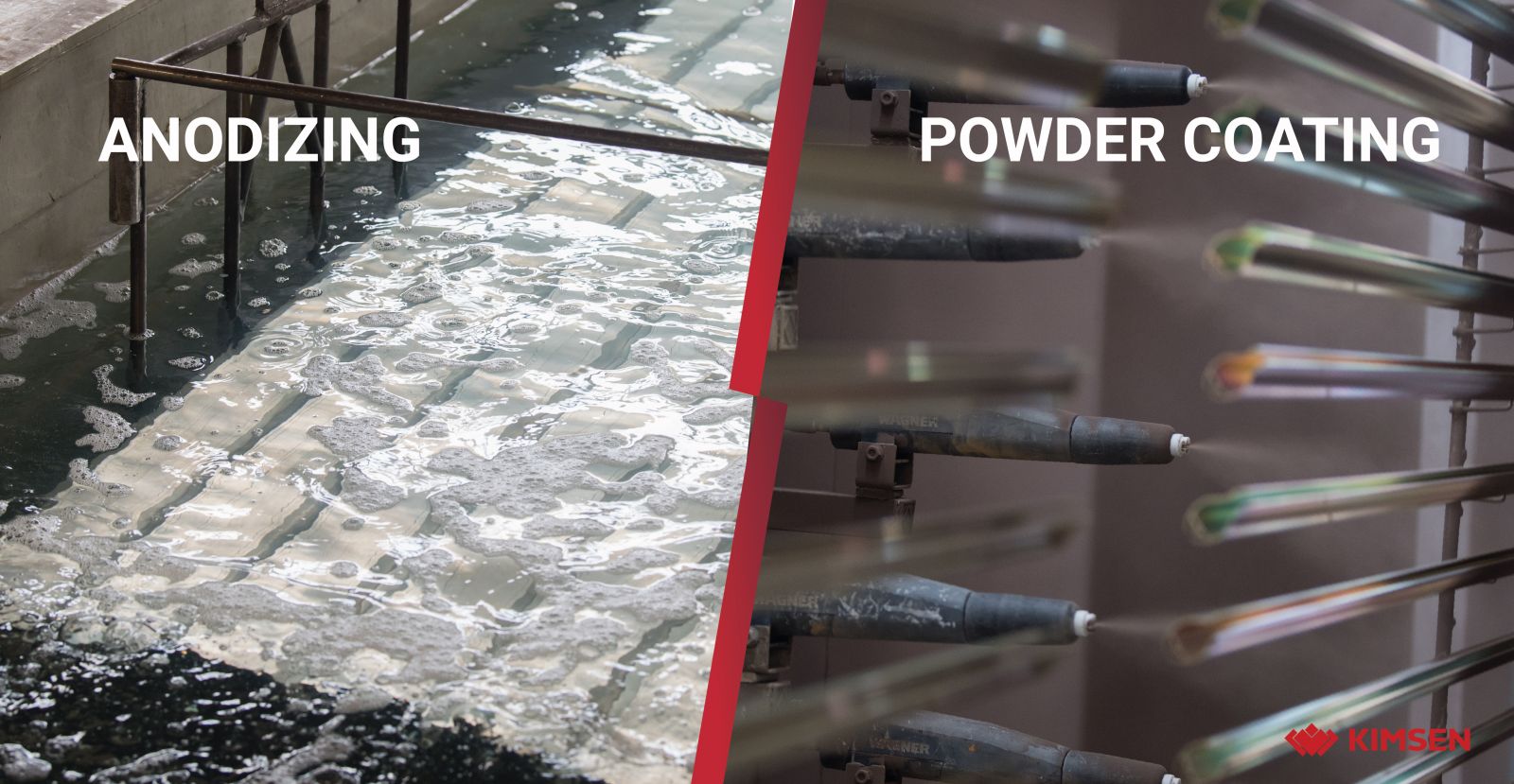
Metal finishing services include various processes that alter the surface of die cast parts. These treatments can involve electroplating, anodizing, polishing, or chemical conversions. Each technique creates different surface properties depending on your requirements.
Powder Coating
Powder coating applies dry powder to metal surfaces using an electrostatic charge. The coated part then goes through a curing oven where heat melts the powder into a smooth, durable finish. This creates a thick, uniform protective layer over the entire surface.
Why Surface Treatment Matters After Die Casting
Raw die cast parts often have surface imperfections and limited corrosion resistance. The casting process can leave behind porosity, oxidation, or a dull appearance. Adding a proper finish solves these problems while enhancing the part’s functionality and appearance.
The right finish extends product life, improves aesthetics, and adds functional properties like electrical conductivity or wear resistance. Skipping this step or choosing the wrong treatment can lead to premature failure, especially in demanding environments.
When to Choose Metal Finishing Services
Best Applications for Metal Finishing
Metal finishing works exceptionally well when you need specific functional properties. Consider these scenarios:
- Electrical conductivity requirements: Copper or nickel plating maintains excellent conductivity for electronic components
- Precise dimensional control: Chemical processes add minimal thickness, typically 0.0001 to 0.002 inches
- Decorative chrome appearance: High-polish finishes create that premium, reflective look
- Corrosion resistance in harsh environments: Zinc or cadmium plating protects against saltwater and chemicals
- Wear resistance on moving parts: Hard chrome plating reduces friction and extends component life
Advantages of Metal Finishing
Superior Hardness
Certain electroplating processes create extremely hard surfaces. Hard chrome plating, for example, achieves hardness levels between 65-70 Rockwell C. This makes it ideal for parts that experience constant friction or abrasion.
Precise Thickness Control
Metal finishing adds very thin layers to your parts. This precision matters when working with tight tolerances. You can achieve uniform coverage without affecting critical dimensions or mating surfaces.
Enhanced Conductivity
Electroplating with conductive metals maintains or improves electrical properties. This becomes crucial for connectors, terminals, and other electrical components where resistance must stay minimal.
Chemical Resistance
Specific metal finishes withstand exposure to acids, bases, and solvents better than many coating alternatives. This makes them valuable for parts in chemical processing equipment or laboratory instruments.
Drawbacks to Consider
Metal finishing comes with some challenges. The process often involves hazardous chemicals that require careful handling and disposal. Environmental regulations around electroplating have become stricter, increasing compliance costs.
Setup costs run higher compared to powder coating, especially for small production runs. Some plating processes also take longer, which can extend lead times. Color options remain limited, mostly restricted to metallic tones.
When to Choose Powder Coating
Best Applications for Powder Coating
Powder coating shines in different situations than metal finishing. Choose this method when you need:
- Thick, durable protection: Outdoor equipment, architectural components, automotive parts
- Color variety: Consumer products, appliances, furniture requiring specific brand colors
- Impact resistance: Tools, machinery housings, protective enclosures
- Cost-effective protection: High-volume production runs needing reliable corrosion protection
- Environmentally friendly option: Projects with strict environmental requirements
Advantages of Powder Coating
Exceptional Durability
Powder coating creates a thick film, typically 2-10 mils compared to 0.1-2 mils for plating. This thickness provides outstanding protection against impacts, scratches, and corrosion. Parts maintain their appearance even under harsh conditions.
Unlimited Color Options
Unlike metal finishing, powder coating offers virtually any color imaginable. You can match exact Pantone colors, create custom blends, or achieve special effects like metallic, textured, or candy finishes.
Environmental Benefits
Powder coating contains no solvents and releases negligible volatile organic compounds (VOCs). Overspray can be collected and reused, creating minimal waste. This makes it easier to meet environmental regulations.
Cost Efficiency
For medium to large production runs, powder coating typically costs less than metal finishing. The process runs faster, requires less specialized equipment, and generates less hazardous waste to dispose of.
Uniform Coverage
The electrostatic application ensures powder reaches recessed areas and complex geometries. This creates consistent coverage even on intricate die cast parts with multiple angles and features.
Limitations of Powder Coating
Powder coating adds more thickness to parts, which can be problematic for assemblies with tight tolerances. The curing process requires heat, typically 350-400°F, which limits its use on heat-sensitive assemblies.
Thin film applications prove difficult. If you need coverage under 2 mils, powder coating becomes impractical. The finish also lacks the extreme hardness that hard chrome or other metal finishes provide for high-wear applications.
How to Make Your Decision
Evaluate These Key Factors
Operating Environment
Consider where your part will work. Outdoor applications exposed to UV light and weather typically benefit from powder coating. Parts submerged in chemicals or saltwater often need specific metal finishes.
Functional Requirements
List what properties matter most. Do you need electrical conductivity? Go with metal finishing. Need impact resistance and color? Choose powder coating.
Budget and Volume
Calculate total costs including setup, processing, and waste disposal. Metal finishing makes sense for small runs requiring specific properties. Powder coating becomes more economical as volume increases.
Dimensional Constraints
Check your tolerance requirements. If adding 2-4 mils affects fit or function, metal finishing provides thinner alternatives. Parts with generous tolerances accommodate powder coating easily.
Aesthetic Goals
Decide on appearance requirements. Decorative chrome or polished finishes require metal finishing. Custom colors, textures, or matte finishes point toward powder coating.
Combining Both Methods
Some applications benefit from using both techniques. A zinc phosphate conversion coating (metal finishing) followed by powder coating provides exceptional corrosion protection. The metal finishing creates an ideal surface for powder adhesion while adding its own protective properties.
This combination approach costs more but delivers superior performance for critical applications. Automotive underbody components, outdoor equipment, and marine hardware often justify this extra investment.
Facts About Performance and Longevity
Industry testing shows powder coated parts often last 15-20 years outdoors with minimal maintenance. Quality metal finishing, when properly applied, can protect parts for decades even in corrosive environments.
Both methods significantly outperform paint in durability tests. Powder coating resists chipping and scratching better than conventional paint. Metal finishing provides corrosion protection that paint cannot match in harsh chemical environments.
Making the Right Choice for Your Project
Selecting between metal finishing and powder coating depends on matching treatment capabilities to your specific requirements. Neither option is universally better. Each excels in different applications.
Review your functional needs first, then consider aesthetics and budget. Consult with finishing professionals who can examine your parts and recommend the optimal treatment. Many companies offering both services can provide objective guidance based on your specific situation.
The right finish transforms ordinary die cast parts into reliable, attractive components that perform as intended throughout their service life. Taking time to choose wisely pays dividends in product quality and customer satisfaction.