
Indian Food Regions Explained: From Himalayan Cuisine to Coastal Spice
Indian cuisine is one of the world’s most diverse culinary landscapes, shaped by geography, climate, religion and centuries of cultural exchange. Travellers often find that a single trip barely scratches the surface because each region carries its own flavour vocabulary and cooking traditions. From the simplicity of Himalayan village meals to the layered spices of the southern coastline, the country’s food culture invites exploration and repeat visits. Understanding India through its regional dishes is a practical way to approach food travel, giving visitors a roadmap that expands beyond familiar restaurant menus.
This guide breaks down the broad culinary zones of the country and highlights what makes each region distinct.
North India: Wheat Fields, Slow Cooking and Mughal Influence
North India includes Punjab, Haryana, Delhi, Kashmir, Uttar Pradesh and Rajasthan. The cuisine reflects both agricultural abundance and historical layers of Mughal, Persian and Central Asian influence.
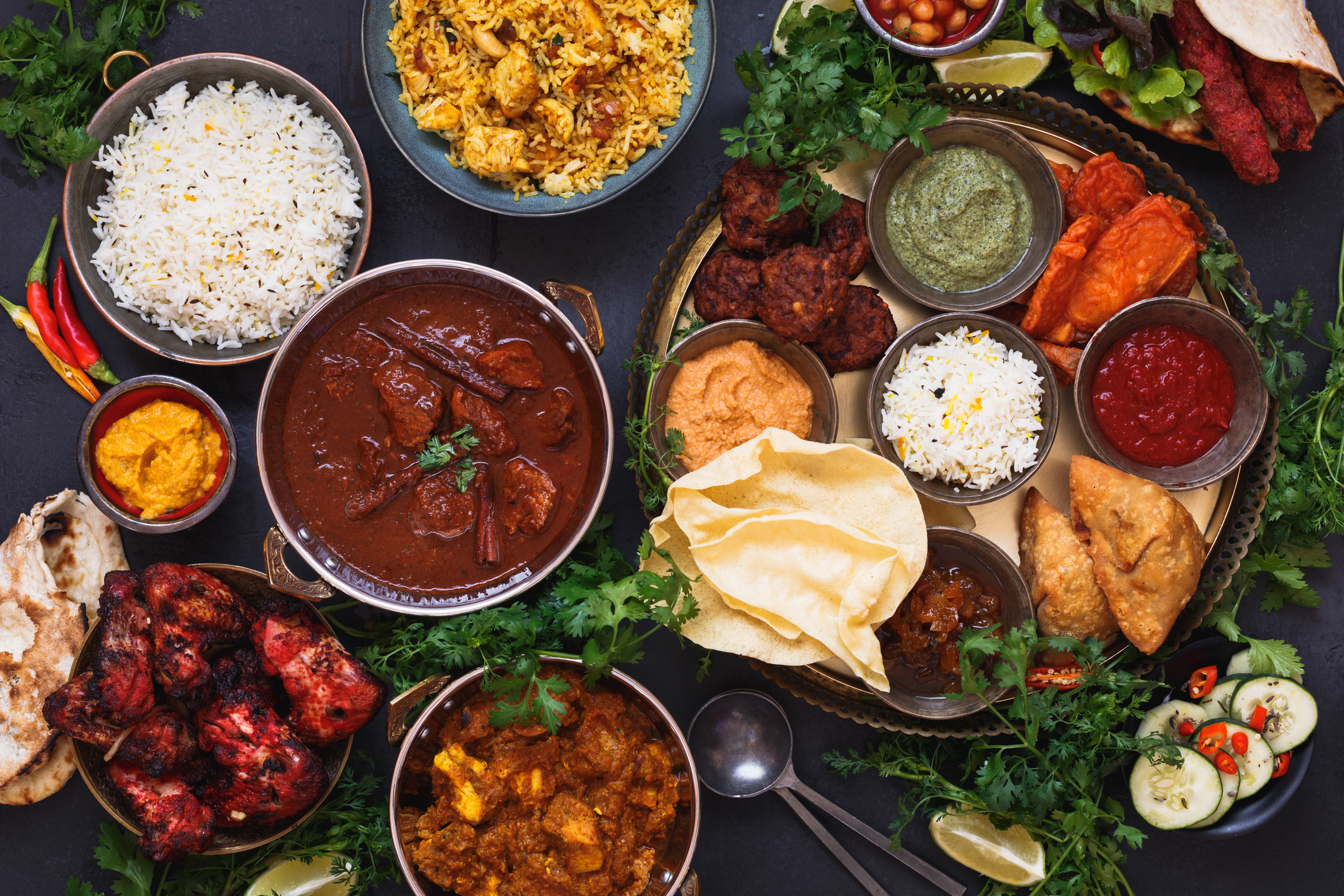
Wheat is central, which is why rotis, naans and parathas appear at almost every meal. Rich gravies, tandoori cooking and aromatic spice blends characterise the region. Signature dishes include butter chicken, dal makhani, shahi paneer, rajma chawal, Kashmiri rogan josh and Rajasthani laal maas.
Street food culture is strong. Delhi’s chaat stalls, Amritsar’s kulchas and Lucknow’s kebabs show how local traditions adapt quickly to urban demand. Travellers also discover seasonal delicacies such as sarson ka saag in winter and mango based snacks in summer.
South India: Rice, Coconut, Fermentation and Coastal Spice
South India covers Tamil Nadu, Kerala, Karnataka, Andhra Pradesh and Telangana. Rice and lentils form the foundation of most meals, and fermentation is a distinctive technique used for idlis, dosas and appams.
Kerala’s cuisine has a coastal rhythm with fish curries, coconut based stews and subtle spice combinations. Tamil Nadu’s flavours range from the tang of tamarind based kuzhambu to the gentler tones of pongal and sambar. Andhra and Telangana offer some of the spiciest preparations in India, including gongura dishes and fiery curries.
South Indian street food remains accessible across regions. Travellers often enjoy quick meals at tiffin counters, where dosas, uttapams and vadas appear in endless variations.
East India: Rivers, Sweet Traditions and Subtle Spicing
The east includes West Bengal, Odisha, Bihar and Jharkhand. The region’s food culture is shaped by river systems, rice cultivation and a long standing tradition of sweets.
Bengali cuisine balances sweetness, heat and mustard based flavours. Dishes such as macher jhol, kosha mangsho and shukto show the range between light broths and rich festive preparations. Odisha’s coastal dishes use coconut, yoghurt and mild spices, while Bihar is known for hearty dishes like litti chokha.
Desserts are central to the east. Mishti doi, roshogolla, sandesh and chhena poda form an important part of culinary identity, often becoming highlights of food travel.
West India: Dry Spices, Street Markets and Coastal Contrasts
Western India spans Maharashtra, Gujarat, Goa and parts of Rajasthan. Geography creates strong contrasts, from coastal regions to dry interiors.
Maharashtrian cuisine combines street favourites like vada pav, misal pav and pav bhaji with home style dishes such as varan bhaat, bharli vangi and kolambi bhaji. Gujarat leans toward vegetarian cooking with sweet and savoury combinations found in dhokla, thepla, undhiyu and kadhi.
Goa’s food culture blends Portuguese influence with local spice patterns, resulting in dishes like prawn balchao, chicken cafreal and Goan fish curry. Coastal ingredients also dominate in Konkan cuisine, which highlights coconut, kokum and fresh seafood.
North East India: Bamboo, Fermentation and Indigenous Traditions
The north east includes Assam, Nagaland, Mizoram, Tripura, Arunachal Pradesh, Manipur and Meghalaya. The region’s food culture differs significantly from the rest of India and is shaped by forest produce, fermentation and indigenous ingredients.
Assam’s cuisine uses herbs, mustard oil and river fish, with dishes like masor tenga and smoked pork. Nagaland is known for bamboo shoot curries, fermented soybeans and smoked meats. Manipur offers delicate dishes such as eromba and singju, while Meghalaya features millet based meals and pork cooked with black sesame.
These cuisines are often lighter on spices than the rest of India and focus more on technique, freshness and specific local herbs.
Street Food: The Everyday Pulse of Indian Cuisine
Street food is often the gateway for travellers exploring Indian cuisine. Every region has its own set of quick bites shaped by climate and local ingredients. North India excels in chaat and kebabs, while the south offers dosas, idlis and paniyaram. The west delivers pav based snacks and coastal seafood, and the east balances savoury snacks with sweets.
Markets are cultural hubs where travellers can try regional dishes in authentic settings. Popular examples include Delhi’s Chandni Chowk, Bengaluru’s VV Puram, Kolkata’s College Street, Mumbai’s Mohammed Ali Road and Goa’s night markets.
Culinary Tourism and Food Travel in India
Food tourism has grown rapidly as travellers look beyond monuments and beaches. Many cities now offer structured food walks, cooking classes, spice market tours and home dining experiences. Regions such as Kerala, Rajasthan and the north east host culinary festivals that highlight local produce and recipes.
Visitors often plan multi region itineraries based entirely on gastronomy, focusing on regional dishes, traditional techniques and family run kitchens. The diversity of ingredients and cooking styles ensures that each trip introduces new flavours.
Planning a Gastro Focused Trip
As culinary tourism expands, travellers increasingly look for flexible schedules that allow long market visits, street food exploration and restaurant hopping. Booking flights early is common because food travellers often target winter and festival seasons. Searches for cheap airfare to India usually rise before major holidays and cooler months when outdoor markets are most active. These patterns help visitors plan regional routes around monsoons, harvest festivals and seasonal delicacies. Many returning travellers use alerts for cheap airfare to India to secure better timing for food circuits across multiple states, particularly when joining guided culinary tours. Those visiting during off peak months also find that cheap airfare to India appears more frequently across budget carriers and connecting routes.
Why India’s Culinary Map Rewards Exploration
India’s food regions are distinct enough to feel like separate culinary worlds. From the fermented flavours of the north east to the rich gravies of the north, the coconut infused dishes of the south and the sweet leaning cuisine of the east, each zone offers a unique interpretation of Indian cuisine. Regional dishes evolve with the seasons, and street food culture keeps traditions dynamic and accessible.
For travellers interested in food travel, India remains a destination where every state provides a new flavour story. Exploring the country through its cuisine is not only enjoyable but also an ongoing journey of discovery.