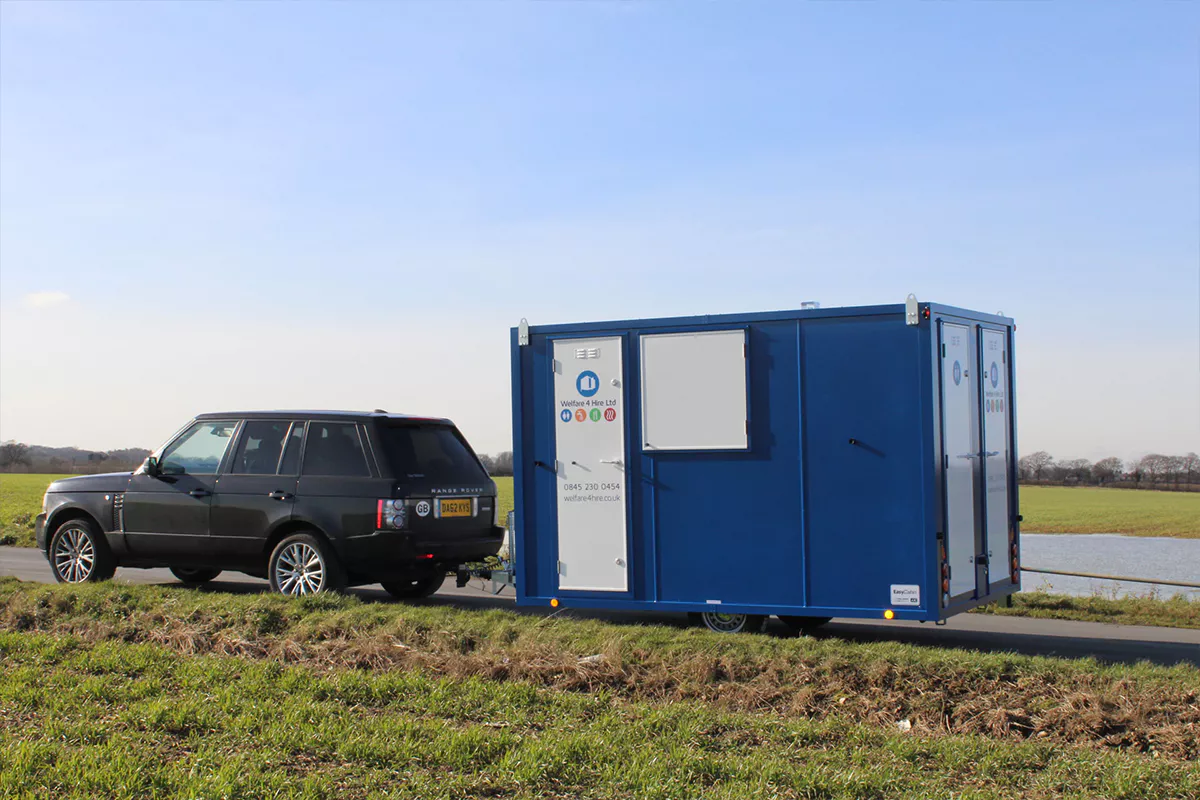
Key Features to Look for When Hiring a Welfare Unit
Looking to hire a welfare unit for your site but unsure what to look for?
A good welfare unit does more than meet legal requirements—it keeps your team safe, comfortable and productive. Look for units with integrated facilities, anti-vandal features, efficient power systems and full HSE compliance.
Whether you’re running a short-term build or a long-term infrastructure project, welfare facilities aren’t optional—they’re a legal requirement under UK law. But ticking the box with a basic cabin isn’t enough.
The right welfare unit can improve worker wellbeing, reduce site absences, and even help attract and retain skilled labour. Here’s how to choose one that works as hard as your team does.
1. Make sure it meets HSE and CDM regs
By law, employers must provide adequate welfare facilities on any construction site under the Construction (Design and Management) Regulations 2015 (CDM). That includes:
- Toilets (flushable or chemical)
- Washing facilities with hot and cold water
- Drinking water
- Rest and changing areas
- Facilities for preparing and eating food
The welfare unit you hire must be capable of fulfilling these needs, especially on remote or undeveloped sites. For detailed requirements, see: HSE: Welfare at Work
2. Choose the right size and layout
Think about the size of your workforce and the duration of your project. Common unit sizes include:
| Unit Size | Suitable For |
| 6-person units | Small sites or day jobs |
| 12–16-person units | Medium to large sites |
| Modular units | Sites with phased setup or tight access |
Look for a smart layout with separate drying rooms, toilet compartments, and kitchen space. Cramped or badly designed interiors lead to frustration and poor hygiene.
3. Prioritise anti-vandal and secure features
Unoccupied sites are easy targets for theft or damage. High-quality welfare units should come with:
- Steel anti-vandal doors and shutters
- High-security locks and window guards
- Sturdy tow bars or lifting eyes for secure positioning
- Hidden service connections to prevent tampering
These features protect both your assets and the safety of your team.
4. Look for energy efficiency and sustainability
Modern welfare units are often eco-friendly by design—saving you fuel and emissions without compromising comfort. Key features to consider include:
- Hybrid generators or solar panels for low-fuel operation
- Timed lighting and heating controls
- LED lighting and low-flow water systems
- Efficient insulation and ventilation
FESS Hire offers units built with sustainability in mind, helping you meet your environmental goals and reduce running costs.
5. Confirm delivery, servicing and support
Welfare units need regular waste emptying and consumables replenished. Make sure your hire partner can provide:
- Scheduled servicing and cleaning
- Rapid response to breakdowns or damage
- 24/7 support and out-of-hours delivery if needed
- Flexible hire periods to match your project timeline
FESS Hire manages all servicing, so you don’t have to. Just focus on the job—we’ll handle the rest.
Quick checklist: hiring the right welfare unit
- Does it meet all CDM and HSE welfare requirements?
- Is the size and layout suitable for your team?
- Are anti-vandal features included?
- Is it energy-efficient or hybrid-powered?
- Does your hire include servicing and support?
FAQs
1. Is a welfare unit legally required on every site?
Yes. Any construction site operating for more than 30 days or involving more than 500 person-days must provide welfare facilities under CDM 2015.
2. Can I hire a welfare unit for a single day or weekend job?
Yes. FESS Hire offers flexible short-term hire options to suit smaller or fast-moving jobs.
3. Do welfare units come with a generator?
Many units include onboard generators or hybrid power systems. We’ll help you choose the best setup based on site power availability.
4. What’s the difference between static and mobile welfare units?
Static units are towed into place and stay put. Mobile welfare units are towable trailers that can be easily relocated as needed.
5. How often does the unit need servicing or emptying?
This depends on usage, but for most sites, weekly servicing is standard. FESS Hire can arrange a schedule that suits your site and headcount.
Keep your workforce safe, compliant and cared for
Hiring the right welfare unit is more than a tick-box—it’s an investment in your team’s safety, satisfaction and productivity.
Speak to FESS Hire today for expert guidance, fast delivery, and fully serviced welfare units built for modern site demands.