
What Is Forest Therapy? A Beginner’s Guide to Healing in Nature
Forest therapy is gaining attention as a simple yet powerful way to improve your health. If you’ve heard about people spending intentional time in nature for wellness, you might be wondering what makes this different from a regular walk in the woods. Let’s explore what forest therapy actually is and how you can start practicing it.
What Is Forest Therapy?
Forest therapy, also known as forest bathing, is the practice of immersing yourself in nature using all five senses. It originated in Japan in the 1980s as “shinrin-yoku,” which translates to “taking in the forest atmosphere.”
Unlike hiking or exercising outdoors, forest therapy isn’t about reaching a destination or burning calories. It’s about slowing down and connecting with the natural environment around you. You’re not trying to achieve anything specific. You’re simply being present in nature.
The practice involves walking slowly through a forest or natural area, noticing the sights, sounds, smells, and textures around you. Think of it as a form of meditation in nature.
Why Forest Therapy Works
Scientists have been studying the effects of spending time in forests, and the results are compelling. When you’re surrounded by trees, you’re exposed to phytoncides, which are natural compounds that trees release to protect themselves from insects and disease.
When you breathe in these compounds, your body responds positively. Research shows several measurable benefits:
- Lower cortisol levels (your stress hormone)
- Reduced blood pressure and heart rate
- Improved immune system function
- Better mood and reduced anxiety
- Increased ability to focus
The Japanese government has recognized forest therapy as a legitimate form of preventive healthcare. They’ve even designated specific forest therapy trails throughout the country where people can practice.
How Forest Therapy Differs from Regular Nature Walks
You might be thinking this sounds like any walk in the park. Here’s what makes forest therapy different:
Pace: You move much slower than a typical walk. A forest therapy session might cover less than a mile in two hours.
Intention: You’re deliberately engaging your senses rather than letting your mind wander or talking with friends.
Guidance: Many people work with a certified forest therapy guide who offers invitations to deepen your connection with nature.
Technology: You leave devices behind or silence them completely.
Who Can Practice Forest Therapy?
The beauty of forest therapy is its accessibility. You don’t need to be athletic, experienced in meditation, or even particularly outdoorsy. People of all ages and fitness levels can benefit.
Forest therapy is particularly helpful for:
- People dealing with chronic stress or burnout
- Those recovering from illness or surgery
- Individuals with anxiety or depression
- Anyone looking to improve their overall wellness
- People who spend most of their time indoors or in urban environments
You also don’t need a pristine wilderness area. A local park with trees can work just fine. While the practice is called “forest” therapy, any natural setting with plants and trees offers benefits.
How to Start Your Forest Therapy Practice
Ready to try it yourself? Here’s a simple approach to get started:
Find Your Location
Look for a natural area near you with trees. This could be a forest, a large park, or even a botanical garden. Choose somewhere you can spend at least 20 minutes without major distractions.
Leave Your Goals Behind
This isn’t exercise. Don’t worry about distance, speed, or steps. Your only goal is to be present.
Engage Your Senses
Start by standing still and noticing what’s around you:
- What do you see? Look at the colors, shapes, and patterns.
- What do you hear? Listen for birds, wind, rustling leaves.
- What do you smell? Notice the scent of soil, plants, or bark.
- What do you feel? Pay attention to the air temperature, breeze on your skin.
- What can you taste? The air itself often has a subtle taste in nature.
Move Slowly
When you start walking, move at about half your normal pace. Stop frequently. There’s no rush.
Try Simple Activities
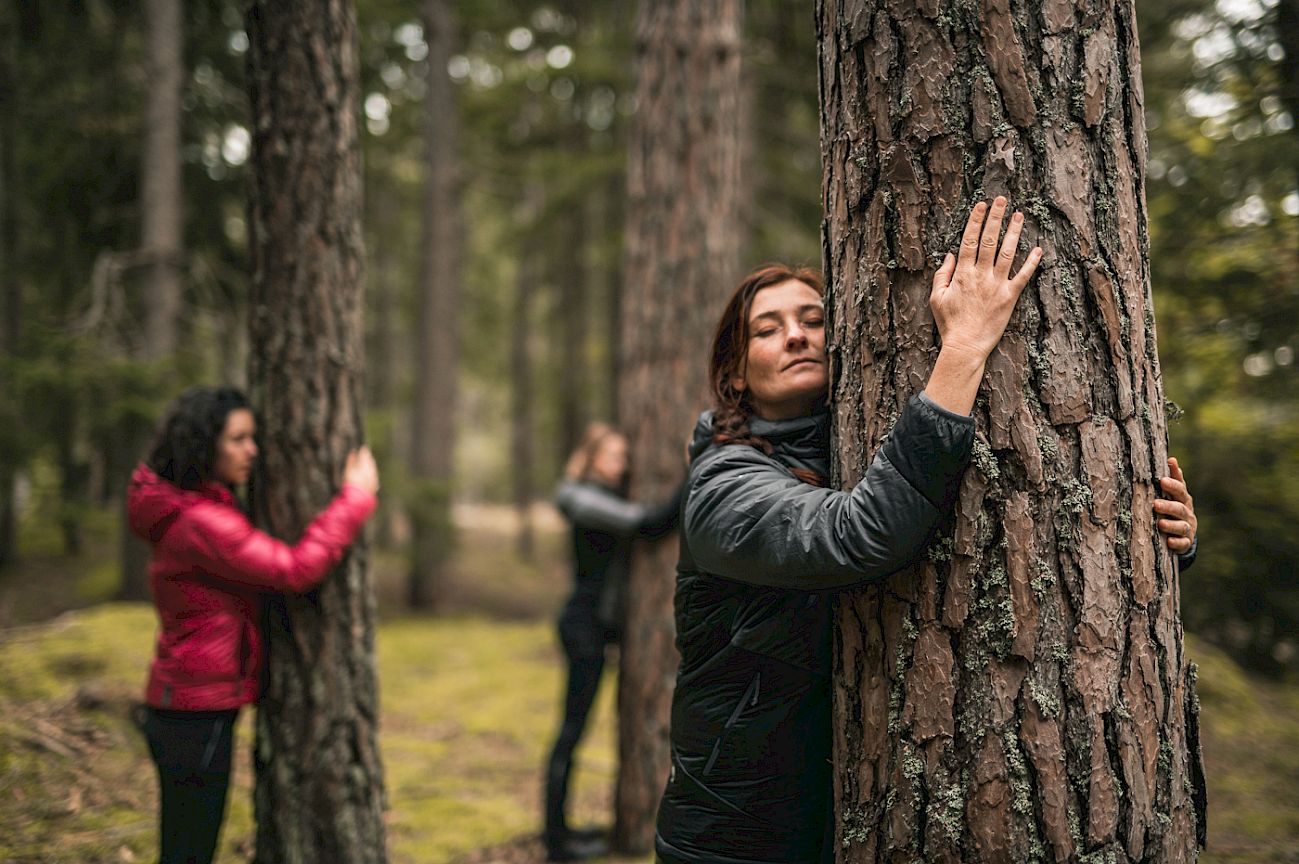
Touch tree bark and notice its texture. Sit against a tree. Watch clouds move. Follow a single leaf as it falls. These simple acts help anchor you in the present moment.
Tips for a Better Experience
Go Solo or With Quiet Companions: Conversation pulls you out of the sensory experience. If you go with others, agree to spend most of the time in silence.
Visit During Different Seasons: Each season offers unique sensory experiences. You’ll discover new aspects of the same location.
Start With Short Sessions: Even 15-20 minutes can make a difference. You can gradually extend your time as the practice becomes familiar.
Don’t Force It: Some days you’ll feel deeply connected. Other days your mind might wander constantly. Both are fine.
Consider Professional Guidance: A forest bathing certification program trains guides who can lead groups through structured experiences. Working with a trained guide can deepen your practice.
Benefits You Can Expect
People who practice forest therapy regularly report several improvements:
Mental Health: Reduced symptoms of anxiety and depression, improved mood, better stress management.
Physical Health: Lower blood pressure, improved immune function, better sleep quality, reduced inflammation.
Cognitive Function: Enhanced creativity, improved focus and concentration, clearer thinking.
Emotional Wellness: Greater sense of calm, increased feelings of connection, improved self-awareness.
Most people notice the stress-reducing effects immediately after their first session. Long-term benefits build with regular practice.
Potential Risks and Considerations
Forest therapy is generally very safe, but keep these points in mind:
- Stay aware of your surroundings for safety
- Check for ticks after your session in applicable areas
- Wear appropriate clothing for weather and terrain
- Let someone know where you’re going if you’re heading to remote areas
- Avoid areas with known dangerous wildlife unless you’re experienced
People with severe allergies should take normal precautions. If you have limited mobility, choose accessible trails.
Common Questions About Forest Therapy
How Often Should I Practice?
There’s no strict rule. Once a week offers meaningful benefits. Some people practice daily for shorter periods. Find what works for your schedule.
Does Weather Matter?
Each type of weather offers a different experience. Rain, fog, snow, and sunshine all have unique sensory qualities. Dress appropriately and embrace whatever conditions you find.
Can I Do This in My Backyard?
Yes. If you have trees and plants in your yard, you can practice there. The key is intentional sensory engagement, not the location’s size.
Is This Religious or Spiritual?
Forest therapy itself is a secular practice based on science. However, many people find it spiritually meaningful. You can approach it however feels right for you.
Making Forest Therapy a Habit
Like any wellness practice, consistency matters more than intensity. Consider these approaches:
- Schedule regular sessions like appointments
- Find a practice buddy for accountability
- Keep a simple journal noting how you feel before and after
- Join a local forest therapy group
- Start with one location until it becomes familiar
As you develop your practice, you might find yourself naturally noticing nature more in daily life. That increased awareness is one of the lasting gifts of forest therapy.
Final Thoughts
Forest therapy offers a research-backed way to reduce stress and improve your wellbeing. It doesn’t require special equipment, intense physical ability, or significant time investment. All you need is access to some trees and the willingness to slow down.
The best way to understand forest therapy is to experience it yourself. Choose a day this week, find a natural area near you, and spend 20 minutes engaging your senses. Notice how you feel afterward.
Your body already knows how to benefit from nature. Forest therapy simply gives you permission to slow down and let that healing happen.