
Zoning an Outdoor Space With Trough Planters: Dividers, Borders and Seating Edges
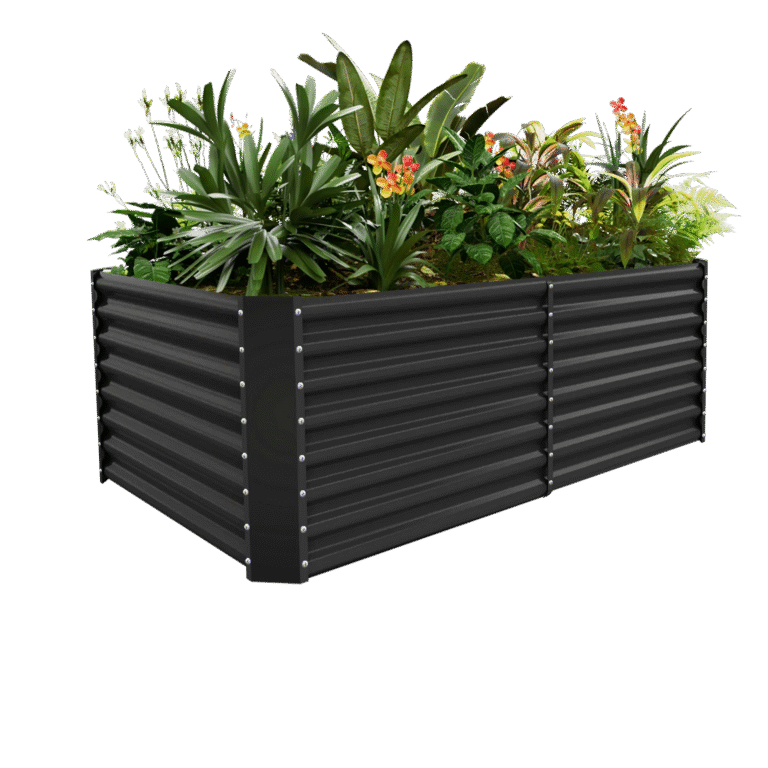
Walls and fences aren’t the only tools for organising an outdoor space. A garden or patio can feel just as structured, arguably more so, when planting itself does the work of separating one area from another. Trough planters are particularly well suited to this kind of task, thanks to their long, narrow shape, which makes them a natural fit for defining edges, borders, and transitions between different parts of a garden.
Why Long, Narrow Shapes Work So Well for Zoning
Most garden containers are designed to sit as a single focal point, round, square, or roughly equal in every dimension. A trough planter is different by design. Its elongated shape means it can run along a line rather than simply occupying a spot, which makes it far better suited to marking boundaries than a cluster of round pots ever could. Where a single tall planter draws the eye to one point, a trough draws it along a path, creating a sense of direction and structure that helps a space feel intentional rather than accidental.
This makes trough planters especially useful in gardens that serve more than one purpose at once, such as a patio that needs to feel separate from a lawn, or a seating area that should read as its own distinct space within a larger garden.
Dividing Without Building
Permanent dividers like low walls or fencing panels solve the zoning problem, but they come with real downsides. They’re expensive, often require planning consideration depending on height and position, and once built, they’re difficult to change if a layout stops working. Planted troughs achieve much of the same effect without any of that commitment.
Positioned along the natural break point between a dining area and a lawn, or between a driveway and a front garden, a row of well-planted troughs creates a clear visual line that the eye reads as a boundary, even though nothing physical blocks the space. This is particularly valuable for shared or rented properties, where permanent structures usually aren’t an option but a clearly defined layout still matters enormously for how the space feels day to day.
Using Troughs as Soft Borders
Borders don’t always need to be full dividers. Sometimes the goal is simply to frame an area rather than separate it entirely, and trough planters do this exceptionally well along paths, driveways, and the edges of patios. A single continuous line of planting along a path edge gives it a finished, considered look that a bare stretch of paving never achieves on its own, while also softening hard landscaping materials like block paving or poured concrete.
Along a driveway, low, tidy planting in troughs prevents the space from feeling purely functional, adding some warmth and colour without encroaching on the practical width needed for a car. Around a patio’s perimeter, troughs create a natural sense of containment, making an open paved area feel more like a defined outdoor room rather than an extension of the lawn that happens to have furniture on it.
Trough Planters as Seating Edges
One of the more practical, often overlooked uses for trough planters is as a natural edge or informal boundary around a seating area. Positioned behind or alongside garden furniture, a run of troughs gives a seating zone a defined perimeter, similar to how a low hedge might, but without the years of growing time a hedge requires to reach a useful height. This works particularly well in gardens where furniture needs to feel grounded within the space rather than simply placed on an open lawn.
Taller planting within the troughs, ornamental grasses, lavender, or low shrubs depending on the desired height, adds a sense of enclosure to a seating area, making it feel more private and considered even in a fully open garden. Lower, trailing planting achieves a softer version of the same effect, marking the edge without fully screening the view beyond it.
Choosing Plants for Linear Planting
Because trough planters are viewed along their length rather than from a single angle, plant choice benefits from a bit more consistency than in a round pot. Repetition along the length of the trough, the same plant used at intervals, or a simple alternating pattern between two varieties, creates a clean, rhythmic look that suits their linear shape. A few reliable options for this kind of planting include:
- Lavender or rosemary for a fragrant, low-maintenance border with strong structure
- Box or dwarf hedging plants clipped into a neat, continuous line for a more formal look
- Ornamental grasses for movement and a softer, more relaxed border
- Trailing plants like ivy along the front edge to soften the line where the trough meets the ground
Mixing height within a single trough, taller planting toward the back and something low and trailing at the front, adds depth even within a narrow container.
Material and Practical Considerations
Because trough planters are often positioned along heavily used edges, paths, patios, and seating areas, they take more foot traffic and incidental contact than a standalone pot tucked into a border. Durability matters accordingly. IDEALIST’s range of trough planters is built from fibrestone and fibreglass specifically to hold up under these conditions, resisting cracking through UK winters while staying manageable enough to reposition if a layout needs adjusting.
Drainage deserves particular attention with elongated containers, since uneven water distribution along a long trough can leave one end waterlogged while the other dries out. Checking that drainage holes run along the full length, rather than being concentrated at one point, helps growth stay even across the whole planting.
Bringing Structure to an Open Space
A garden or patio doesn’t need permanent construction to feel zoned and purposeful. Used thoughtfully along paths, patio edges, or the perimeter of a seating area, trough planters give an outdoor space real structure and definition, borrowing the organising power of a wall or hedge without the cost, permanence, or years of waiting for growth to take effect.